Phone: 08208114265 , 086987 75860 Address: 5th Floor, Rahul Capital 115/b, Joshi clinic, Opp to Prabhat police station, Pune
General Gynaecology, Hysteroscopy & Open Surgeries in Pune | Expert Gynaecologist | Dr. Mayur Thosar & Dr. Renu Thosar
Consult Dr. Mayur Thosar & Dr. Renu Thosar for hysteroscopy, hysterectomy, myomectomy, pelvic floor reconstruction, vaginal surgery & advanced gynecological care in Pune.
Our General Gynaecology Services
We provide expert care for:
Heavy Menstrual Bleeding
Fibroids
Uterine Polyps
Endometriosis
Adenomyosis
Ovarian Cysts
Pelvic Pain
Abnormal Uterine Bleeding
Recurrent Miscarriages
Uterine Septum
Asherman's Syndrome
Pelvic Organ Prolapse
Stress Urinary Incontinence
Large Pelvic Masses
Menopausal Gynecological Disorders
Why Choose Our Gynecology Centre?
✔ Fellowship-Trained Specialists
✔ Advanced Hysteroscopic Surgery
✔ Minimally Invasive Treatment Options
✔ Fertility-Preserving Procedures
✔ Modern Operation Theatre Facilities
✔ Personalized Treatment Plans
✔ Comprehensive Women's Healthcare
✔ Compassionate Patient Care
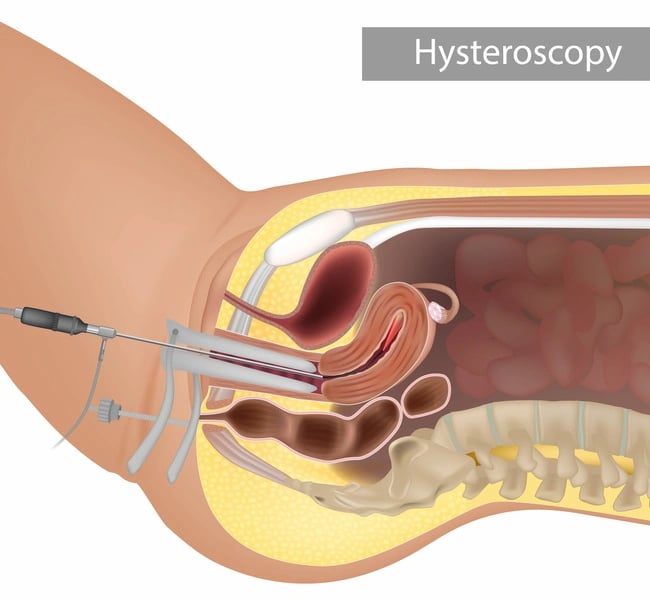
Operative Hysteroscopy (Scarless Transcervical Surgery)
Advanced Scar-Free Uterine Surgery
Operative hysteroscopy is a minimally invasive procedure performed through the natural vaginal passage without external incisions. Using a high-definition hysteroscope, the inside of the uterus is visualized directly, allowing precise diagnosis and treatment of various intrauterine conditions.
Benefits of Hysteroscopy
✔ No External Incisions
✔ Day-Care Procedure in Many Cases
✔ Minimal Pain
✔ Faster Recovery
✔ Preservation of the Uterus
✔ Early Return to Normal Activities
✔ Excellent Visualization
Hysteroscopic Myomectomy & Polypectomy
Treatment for Fibroids & Uterine Polyps
Submucosal fibroids and endometrial polyps are common causes of:
Heavy periods
Irregular bleeding
Infertility
Recurrent miscarriages
Hysteroscopic surgery allows these growths to be removed under direct visualization while preserving healthy uterine tissue.
Conditions Treated
Submucosal Fibroids
Endometrial Polyps
Abnormal Uterine Bleeding
Infertility Related to Intrauterine Lesions
Benefits
Scarless procedure
Improved menstrual symptoms
Enhanced fertility potential in selected patients
Short recovery time
Hysteroscopic Septal Resection
Treatment for Congenital Uterine Septum
A uterine septum is a congenital condition in which a partition divides the uterine cavity. It may contribute to recurrent miscarriages, infertility, or adverse pregnancy outcomes.
Hysteroscopic septal resection removes the septum through a minimally invasive approach, restoring the normal shape of the uterine cavity.
Suitable For
Recurrent Pregnancy Loss
Congenital Uterine Septum
Infertility Evaluation
Reproductive Planning
Hysteroscopic Adhesiolysis (Asherman's Syndrome Treatment)
Restoring the Uterine Cavity
Asherman's Syndrome is characterized by scar tissue within the uterus, often resulting from previous surgery, infection, or pregnancy-related procedures.
Hysteroscopic adhesiolysis carefully removes these adhesions to help restore the uterine cavity.
Symptoms
Absent or reduced menstrual flow
Infertility
Recurrent miscarriages
Pelvic pain
Benefits
✔ Restoration of the uterine cavity
✔ Improvement in menstrual function
✔ Fertility-preserving treatment
✔ Scar-free surgery
Endometrial Ablation
Advanced Treatment for Heavy Menstrual Bleeding
Endometrial ablation is a minimally invasive procedure that removes or destroys the lining of the uterus to reduce heavy menstrual bleeding.
It may be considered for women with persistent heavy bleeding who have completed childbearing and wish to avoid hysterectomy, following a comprehensive evaluation.
Advantages
Minimally invasive
Short procedure
Faster recovery
Reduced menstrual bleeding
No abdominal incision
Traditional Open & Vaginal Surgeries
Comprehensive Surgical Care for Complex Gynecological Conditions
Although minimally invasive surgery is preferred whenever appropriate, certain complex conditions may require traditional open or vaginal surgical approaches to ensure safe and effective treatment.
Total Abdominal Hysterectomy (TAH)
Surgical Treatment for Complex Uterine Conditions
Total Abdominal Hysterectomy involves removal of the uterus through an abdominal incision when minimally invasive surgery is not suitable.
Common Indications
Very large fibroids
Giant pelvic masses
Severe adenomyosis
Complex benign gynecological disease
Selected gynecologic cancers
Every surgical approach is carefully selected after evaluating the patient's clinical condition.
Open Myomectomy
Fertility-Preserving Removal of Large Fibroids
For women with very large or numerous fibroids, open myomectomy may be recommended when laparoscopic or robotic approaches are not appropriate.
The procedure removes fibroids while preserving the uterus whenever feasible.
Vaginal Hysterectomy
Incision-Free Abdominal Surgery
Vaginal hysterectomy allows removal of the uterus through the vaginal route without an abdominal incision.
It is commonly recommended for selected women with pelvic organ prolapse or benign uterine conditions.
Benefits
✔ No abdominal scar
✔ Less postoperative pain
✔ Faster recovery
✔ Short hospital stay
✔ Early return to daily activities
Anterior & Posterior Colporrhaphy
Pelvic Floor Reconstruction
Pelvic organ prolapse occurs when the bladder, uterus, or rectum loses normal support due to weakening of the pelvic floor.
Anterior and posterior colporrhaphy reconstruct and strengthen the pelvic floor to improve support and relieve symptoms.
Conditions Treated
Cystocele (Bladder Prolapse)
Rectocele (Rectal Prolapse)
Vaginal Wall Weakness
Pelvic Floor Dysfunction
Burch Colposuspension
Surgical Treatment for Stress Urinary Incontinence
Stress urinary incontinence causes urine leakage during coughing, sneezing, laughing, or exercise.
Burch colposuspension restores support to the bladder neck and urethra to improve urinary control. Depending on individual circumstances, the procedure may be performed through an open or laparoscopic approach.
Symptoms
Urine leakage while coughing
Leakage during exercise
Leakage when laughing
Stress incontinence affecting quality of life
Benefits
Improved bladder support
Better urinary control
Long-term symptom relief
Enhanced quality of life
Why Choose Dr. Mayur Thosar & Dr. Renu Thosar?
Our team provides comprehensive gynecological care with expertise in advanced hysteroscopic surgery, minimally invasive procedures, pelvic floor reconstruction, and complex gynecologic surgery.
Our Expertise
Fellowship-Trained Gynecologic Oncologists
Advanced Laparoscopic Surgeons
Robotic Gynecologic Surgeons
Hysteroscopy Specialists
Pelvic Floor Reconstruction
Personalized Women's Healthcare
Evidence-Based Treatment
Your Treatment Journey
Initial Consultation
Detailed medical history
Pelvic examination
Ultrasound evaluation
Diagnostic hysteroscopy (if indicated)
Individualized treatment planning
Surgical Procedure
Minimally invasive approach whenever appropriate
Advanced hysteroscopic or traditional surgery based on diagnosis
Modern anesthesia and perioperative care
Recovery
Personalized postoperative care
Follow-up consultations
Recovery guidance
Long-term gynecological health support
Frequently Asked Questions
Is hysteroscopy a major surgery?
No. Hysteroscopy is a minimally invasive procedure performed through the vagina without external incisions and is often suitable as a day-care procedure.
Can hysteroscopy improve fertility?
In selected patients, removing uterine polyps, fibroids, adhesions, or correcting a uterine septum may improve the uterine environment. The benefit depends on the underlying condition.
When is open surgery recommended?
Open surgery may be advised for very large fibroids, giant pelvic masses, or complex conditions where minimally invasive surgery is not the safest or most effective option.
Is vaginal hysterectomy better than abdominal hysterectomy?
For suitable patients, vaginal hysterectomy avoids an abdominal incision and is associated with quicker recovery. The most appropriate surgical approach depends on the patient's condition and examination findings.
What is pelvic organ prolapse?
Pelvic organ prolapse occurs when the bladder, uterus, or rectum descends due to weakened pelvic floor muscles and supporting tissues, leading to symptoms such as a vaginal bulge, pressure, or urinary difficulties.
Book Your Consultation
If you are looking for an experienced General Gynecologist, Hysteroscopy Specialist, or Pelvic Floor Surgeon in Pune, consult Dr. Mayur Thosar and Dr. Renu Thosar for comprehensive, patient-centered women's healthcare.
Visit Our Clinic
Dr. Mayur Thosar & Dr. Renu Thosar – Obstetrics, Gynecology & Advanced Women's Care
5th Floor, Rahul Capital 115/B, Joshi Clinic
Opposite Prabhat Police Station
Prabhat Road, Pune, Maharashtra – 411004
General Gynaecology, Hysteroscopy & Open Surgeries in Pune
Comprehensive Women's Healthcare with Advanced Surgical Expertise
At Dr. Mayur Thosar & Dr. Renu Thosar's Advanced Women's Care Centre, we provide comprehensive diagnosis and surgical treatment for a wide range of gynecological conditions affecting women of all ages.
Our practice combines modern scarless hysteroscopic procedures, advanced minimally invasive surgery, and traditional open or vaginal surgeries when clinically indicated. Every treatment plan is personalized to relieve symptoms, preserve fertility whenever possible, and improve long-term quality of life.
Whether you require treatment for abnormal uterine bleeding, fibroids, uterine polyps, recurrent miscarriages, pelvic organ prolapse, urinary incontinence, or large pelvic masses, our experienced team offers evidence-based care using the most appropriate surgical approach.
Dr Renu Thosar & Dr Mayur Thosar
Tertiary-level expertise. Compassionate care.
Home-Services-About-Contact
Visit the Clinic
086987 75860 / 08208114265
5th Floor, Rahul Capital 115/B, Prabhat Road, Pune
Opposite Prabhat Police Station, Maharashtra 411004
Consultations by appointment
© 2026 Dr Renu & Mayur Thosar Clinic-Specialized obstetrics, gynecology, and oncology in Pune.
Evidence-Based Care